Today, the Nigerian Ports Consultative Council (NPCC) convened key stakeholders in Nigeria’s maritime and port ecosystem at the Federal Palace...
Cybersecurity, AI and the Future of Nigeria’s Ports: Key Takeaways from NPCC’s 2nd Quarterly Meeting 2025
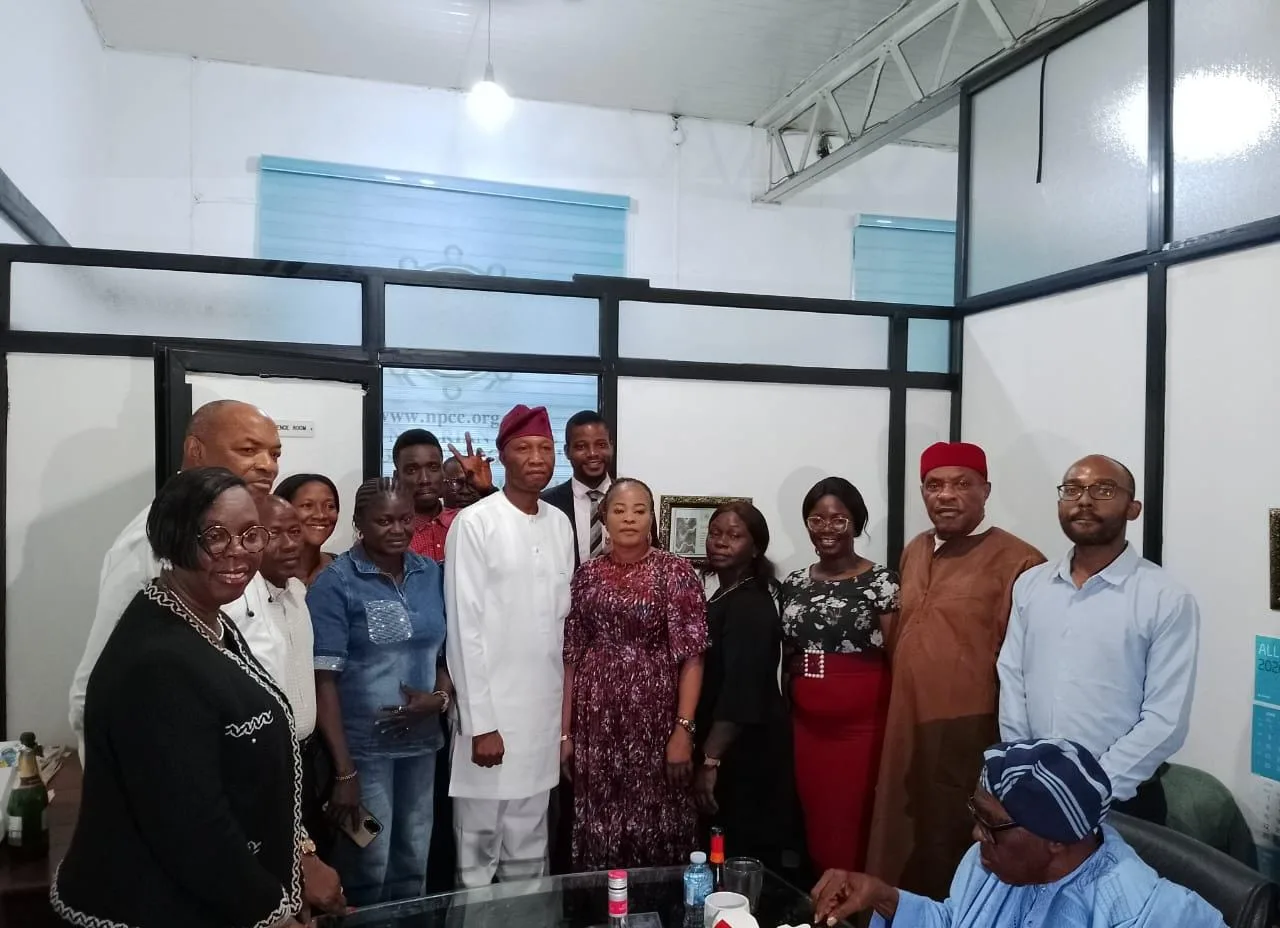
Today, the Nigerian Ports Consultative Council (NPCC) convened key stakeholders in Nigeria’s maritime and port ecosystem at the Federal Palace Hotel, Victoria Island, Lagos, for its Second Quarterly Meeting of the year. Held under the theme “Cybersecurity in an AI-Driven Maritime Industry,” the meeting focused attention on one of the pressing and consequential challenges facing modern ports as digitalisation and artificial intelligence continue to reshape global maritime operations.

The gathering brought together regulators, terminal operators, security agencies, policymakers and private-sector leaders for a timely and forward-looking conversation on how Nigeria’s ports can harness the benefits of technology while safeguarding critical maritime infrastructure from emerging cyber threats. As port systems become increasingly automated and interconnected, the meeting underscored the reality that cybersecurity has moved beyond the domain of information technology and now sits firmly at the intersection of operational efficiency, economic competitiveness and national security.
The meeting formally commenced with opening remarks by the Vice Chairperson of NPCC, Chief Jean C. Anishere, SAN, who welcomed participants and underscored the importance of sustained stakeholder collaboration in addressing emerging challenges within the maritime sector. She emphasised the need for proactive engagement on cybersecurity as digitalisation and artificial intelligence become increasingly embedded in port and shipping operations, noting that collective responsibility and shared commitment would be critical to safeguarding Nigeria’s maritime infrastructure.
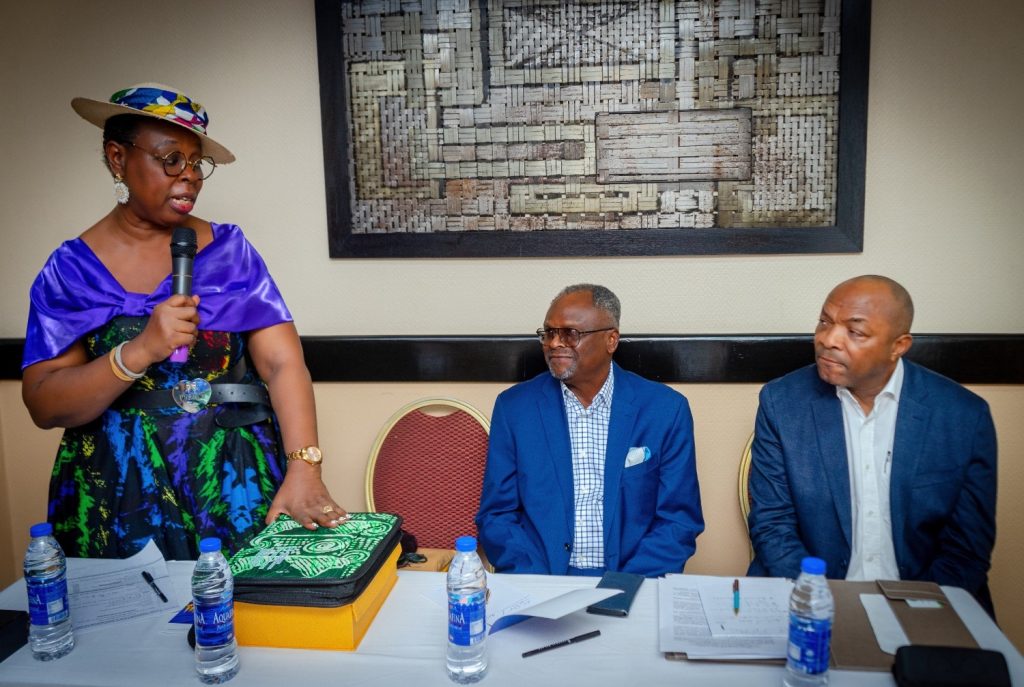
In his welcome address, the Chairman of NPCC, Mr. Bolaji Sunmola, set the tone by reminding participants that the Council’s strength lies in its ability to bring diverse interests together in pursuit of a resilient and efficient port system. He expressed appreciation to members and partners for their sustained engagement throughout the year and reflected on the positive momentum generated by NPCC’s recent capacity-building initiatives. According to him, the rapid adoption of AI and digital tools across port operations has created new opportunities for efficiency, transparency and safety, but it has also introduced vulnerabilities that demand collective attention and coordinated action.

Mr. Sunmola emphasised that cybersecurity should no longer be treated as a purely technical concern. Rather, he described it as a strategic issue with direct implications for trade flows, jobs, investment confidence and the safety of maritime personnel. Looking ahead, he outlined NPCC’s intention to play a more active role in shaping Nigeria’s digital maritime future by supporting secure system integration, promoting industry best practices and expanding training programmes that equip both regulators and operators with the skills needed to manage cyber risks in an AI-driven environment.
The intellectual anchor of the meeting was a lecture delivered by Rear Admiral (Dr.) Francis D. Akpan (Rtd), who provided a comprehensive examination of cybersecurity within the context of modern maritime infrastructure. Drawing from global and national perspectives, he highlighted the central role of maritime transport in global trade and explained how the sector’s accelerated digitisation has significantly expanded its exposure to cyber threats. From vessel navigation and cargo management systems to port community platforms and access-control technologies, he illustrated how the convergence of information technology and operational technology has created complex and interconnected risk landscapes.
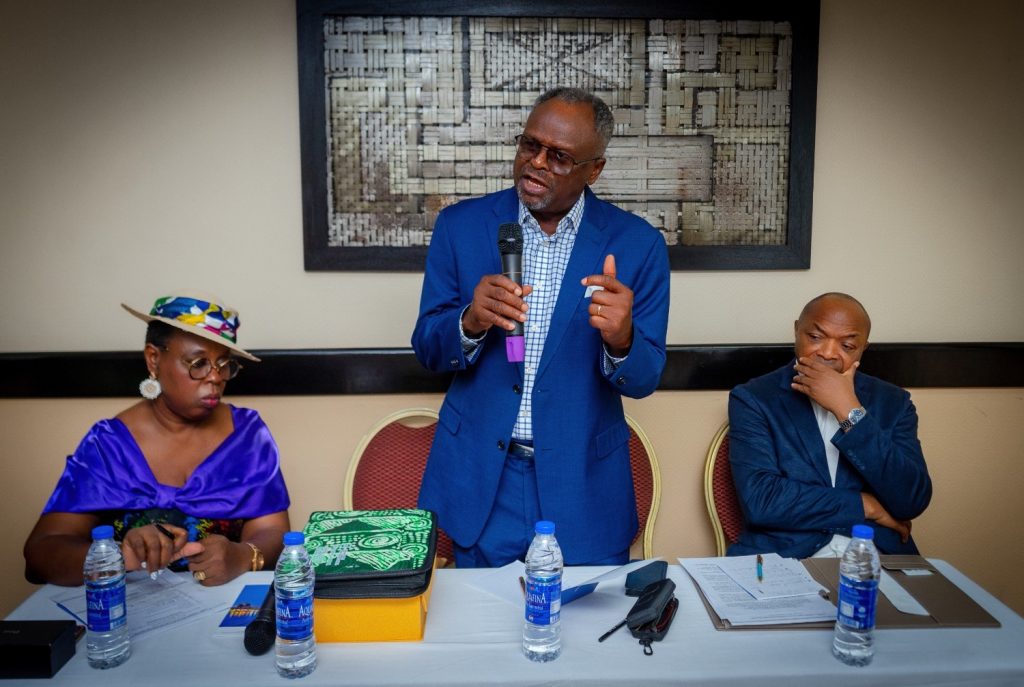
Rear Admiral Akpan also shed light on the nature of cyber threats confronting the maritime industry, including phishing attacks, malware and ransomware incidents, GPS manipulation and service disruptions that can affect entire fleets or port networks. He noted that while automation and AI-driven systems promise improved efficiency and competitiveness, they also require deliberate investments in cybersecurity resilience, workforce awareness and system design. His presentation stressed the importance of proactive measures such as network segmentation, regular system testing, continuous training and strong physical access controls as essential building blocks for securing maritime operations.
Following the lecture, representatives from key maritime and security institutions shared brief operational reports and perspectives on cybersecurity from their respective operational standpoints. These interventions reinforced the need for stronger inter-agency collaboration, consistent standards across port facilities and improved coordination between public and private stakeholders. The interactive session that followed allowed participants to engage directly with the issues raised, exchange practical experiences and explore how policy intentions can translate into operational safeguards.

As the meeting drew to a close, the NPCC Chairman outlined the Council’s post-meeting direction, reaffirming its commitment to translating dialogue into tangible outcomes. Central to this commitment is the Council’s plan to deepen engagement on digitalisation and cybersecurity through structured consultations, targeted training programmes and broader regional outreach, ensuring that ports beyond Lagos are not left behind in Nigeria’s digital transition. While the future of Nigeria’s ports is undeniably digital and increasingly AI-driven, progress must be matched with resilience.
In placing cybersecurity at the centre of industry discourse, NPCC has once again demonstrated its role as a strategic platform for thought leadership, collaboration and consensus-building within Nigeria’s maritime sector. As global trade becomes ever more data-driven, the conversations initiated at this meeting will play an important role in shaping how Nigeria’s ports protect their systems, their people and their position in regional and global shipping networks.
Related Posts
Nigerian Ports Consultative Council Holds Strategic Quarterly Meeting at FOT, Onne Port
Ololuka, Traffic Manager Abolade Task Stakeholders to Embrace Federal Government’s E-Call-Up, National Single Window Initiatives The Nigerian Ports Consultative Council...
NPCC Honours Council Secretary, Mr. Patrick Ezedimbu, at Retirement Reception
The Nigerian Ports Consultative Council (NPCC) on 30th June 2026 hosted a heartfelt retirement reception in honour of its Council...