At the recently concluded first quarterly meeting of the Nigerian Ports Consultative Council (NPCC), held on April 10, 2026, at...
NEPC Highlights FX Constraints, Informal Trade Surge, and Port Security Imperatives at NPCC Quarterly Meeting
At the recently concluded first quarterly meeting of the Nigerian Ports Consultative Council (NPCC), held on April 10, 2026, at the Federal Palace Hotel, the Regional Director (South West) of the Nigerian Export Promotion Council, Mr. Benedict Itegbe, delivered a compelling goodwill message that underscored the urgent need to address foreign exchange (FX) constraints, formalize informal trade channels, and strengthen port security architecture in Nigeria.
In his remarks, Mr. Itegbe drew attention to a growing trend within Nigeria’s export ecosystem—where informal trade channels are increasingly outpacing official export routes. He explained that persistent FX challenges, particularly the high cost of currency conversion and limited access to foreign exchange, are pushing many exporters toward informal markets.
According to him, every international transaction often involves multiple layers of currency conversion resulting in avoidable transaction costs that ultimately reduce the competitiveness of Nigerian exports. He emphasized that minimizing these conversion costs is critical to improving Nigeria’s export pricing advantage in the global market.
Mr. Itegbe contextualized this challenge within the broader African trade environment, noting that the continent’s fragmented currency systems continue to limit seamless cross-border transactions. With many African economies operating relatively small and less liquid currency markets, access to efficient and affordable international payment systems remains a major constraint.
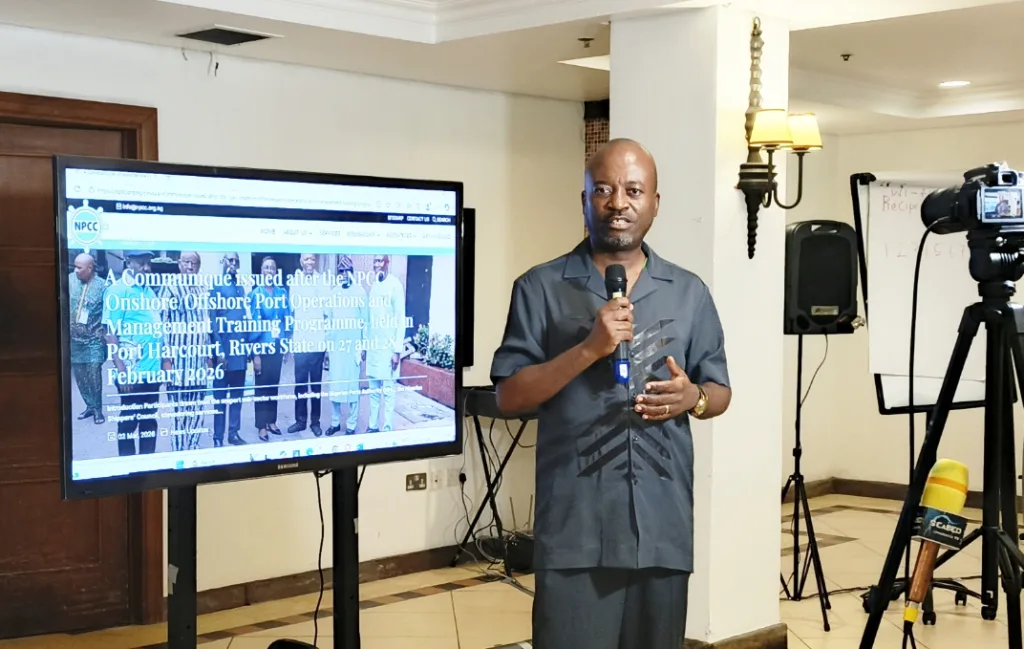
Encouragingly, the NEPC Regional Director pointed to emerging fintech solutions as a viable pathway to resolving these systemic challenges. He noted that innovative financial technologies are already offering alternative payment rails that could significantly reduce transaction costs and improve access to foreign exchange.
However, he stressed that for these solutions to be effective at scale, they must be properly integrated within the regulatory framework of the Central Bank of Nigeria. Alignment with monetary policy and regulatory oversight, he explained, will ensure stability, trust, and broader adoption across the export value chain.
Once fully integrated, such systems could enable exporters to transact more efficiently in multiple currencies, thereby reducing dependence on costly intermediaries and enhancing Nigeria’s participation in global and intra-African trade.
Beyond financial constraints, Mr. Itegbe also emphasized the critical role of port security in facilitating export growth. He expressed strong support for ongoing efforts to reform and modernize port security systems, noting that a secure and transparent port environment is essential for building investor confidence and ensuring the integrity of export processes.

Improved security infrastructure, he noted, will not only reduce cargo losses and delays but also enhance Nigeria’s reputation as a reliable trading partner in the international marketplace.
Reaffirming the commitment of the Nigerian Export Promotion Council to supporting exporters, Mr. Itegbe encouraged stakeholders to actively engage with the Council for guidance, capacity building, and market access support. He highlighted the NEPC’s role in facilitating export readiness and promoting non-oil exports as part of Nigeria’s broader economic diversification agenda.
He also made himself available for further engagement, reinforcing NEPC’s open-door policy and dedication to stakeholder collaboration.
Mr. Itegbe’s presentation resonated strongly with participants, as it touched on some of the most pressing structural issues affecting Nigeria’s trade competitiveness. His insights reinforced the need for coordinated action among regulators, financial institutions, port authorities, and private sector stakeholders.
As Nigeria continues to position itself within the framework of the African Continental Free Trade Area, addressing FX inefficiencies, leveraging fintech innovation, and strengthening port systems will be critical to unlocking the full potential of the country’s export sector.
The NPCC quarterly meeting provided a vital platform for such discourse—bringing together key actors across the maritime and trade ecosystem to chart a more efficient, secure, and globally competitive future for Nigerian ports.
Related Posts
NPCC Honours Council Secretary, Mr. Patrick Ezedimbu, at Retirement Reception
The Nigerian Ports Consultative Council (NPCC) on 30th June 2026 hosted a heartfelt retirement reception in honour of its Council...

NPCC Upcoming Programme: Two-Day Training on “Onshore/Offshore Ports Operations and Management” holds on the 7th-8th of July, 2026, at RockView Royale, Abuja.
Participation Fee / Per Person: N250,000 Bank: UBA Account Number: 1013334773 Account Holder: PORTS CONSULTATIVE COUNCIL Kindly make payment and...